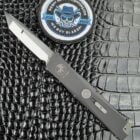
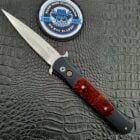
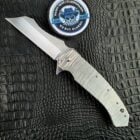
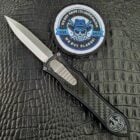
Custom Knife Factory (CKF)
Filter by Stock
Filter by price
Filter Blade Type
 Custom Flashlights and Torches
Filter by Maker
- 3LegDog Knives (1)
- 417CNC Knives (1)
- A2 Knives (1)
- Allen Elishewitz Custom Knives (3)
- André Thorburn Custom Knives (2)
- Andriy Mozil Custom Knives (2)
- Anton van der Westhuizen Custom Knives (1)
- Arno Bernard Knives (2)
- Bill Coffey Custom Knives (1)
- Bill Poor Custom Knives (1)
- Billy Mace Imel Custom Knives (2)
- Blackside Customs (5)
- Borka Blades & Sebastijan Berenji (2)
- Brandon Vallotton Custom Knives (2)
- Brian Milinski Custom Knives (1)
- Brian Tighe Custom Knives (1)
- Brown Knives by Craig Brown (3)
- Buddy Gaines Custom Knives (1)
- Burn Knives by Paul Panak (5)
- Chris Reeve Knives (12)
- Chuck Gedraitis Custom Knives (3)
- Clark Blades by David Clark (1)
- Corrie Schoeman Custom Knives (1)
- Curt Zimmermann Custom Knives (3)
- Curtiss Knives (1)
- Darac Steel & Dario Zadravec (1)
- Daryl Hibben Custom Knives (1)
- David Broadwell Custom Knives (2)
- DDR Knives - Darrel Ralph (2)
- Dervish Knives - John Gonzalez (2)
- Desert Sage Blades (1)
- Dew Hara Custom Knives (23)
- Dianna Casteel Custom Knives (1)
- Direware Knives (1)
- DSK Tactical (3)
- Eliot "E.F." Maldonado Custom Knives (2)
- Emerson Knives (1)
- FengLi (1)
- Ferrum Forge Knife Works (1)
- Fischer Brothers Custom Knives (1)
- Francois du Toit Custom Knives (1)
- Glenn Are Hovin Custom Knives (2)
- Glenn Waters Custom Knives (2)
- Greg Lightfoot Custom Knives (1)
- Grimsmo Knives (1)
- Half Face Blades (2)
- Hawk Knife Designs (5)
- Haymaker Customs (1)
- Heretic Knives (7)
- Herman Knives (4)
- Herucus Blomerus Custom Knives (1)
- Hog House Knives (4)
- Holley Knife Company (2)
- Holt Bladeworks (1)
- Hoss Knives (1)
- Hypercut Manufacturing - Dylan Davis (3)
- J.B. Stout & Stout Knife & Tool (1)
- Jaco De Kock Custom Knives (4)
- Jason Clark & Clark Custom Knives (2)
- JD Van Deventer Custom Knives (1)
- Jeff Chaffee Custom Knives (1)
- Jeff VanderMeulen Custom Knives (1)
- Jerry Hossom Custom Knives (1)
- Jim Sornberger Custom Knives (1)
- JKK Custom Knives by Jen Lint (1)
- John Gray Custom Knives (4)
- KC Gray Custom Knives (1)
- Keanison Knives (1)
- Keith Kruger Custom Knives (1)
- Kit Carson (1)
- Koenig Knives (3)
- Koji Hara Custom Knives (3)
- Kyle Vallotton Custom Knives (1)
- La Cantina Knives (1)
- Larry Pridgen Custom Knives (1)
- Les George Knives (1)
- Maniac Machining (3)
- Marfione Custom Knives (7)
- Medford Knife & Tool (1)
- Mel Pardue Custom Knives (1)
- Melvin Lozada Custom Knives (4)
- Microtech Knives (5)
- Miroc Blade Works (1)
- Munroe Metalworks Custom Knives (1)
- NADEN Knives by Fellhoelter & Willumsen (1)
- NCC Knives (1)
- Neels van den Berg (Black Dragon Forge) (1)
- Nicholas Nichols Knives (1)
- NOC Knives (1)
- Olamic Cutlery (2)
- Pat Crawford Custom Knives (1)
- Patrick Famin Custom Knives (3)
- Poikilo Blade (1)
- Prince Customs (1)
- ProTech Knives (2)
- Rainy Vallotton Custom Knives (2)
- Ray Laconico Custom Knives (1)
- Reese Weiland Custom Knives (11)
- Rick Barrett Custom Knives (2)
- RMOR Knives (2)
- Robjohnsons Custom Knives (1)
- Rockstead Knives (2)
- Scorpion 6 Knives (5)
- Scott Gallagher Custom Knives (2)
- Sergey Rogovets Custom Knives (1)
- Shane Atwood & Atwood Custom Knives (3)
- Sharknivco Knives (1)
- Shirogorov Knives (2)
- Simeon Custom Knives (1)
- Skiff Made Blades (2)
- Stefano Compostella Custom Knives (2)
- Strider Knives (3)
- Tim Britton Custom Knives (1)
- Tuch Knives (1)
- ViKnives Customs by Victor Barajas (1)
- W. Guinn Custom Knives (1)
- William Henry Knives (1)
- Yan Knives (1)
Filter by Material
Filter by Stock
Filter by price
Filter Blade Type
Filter by Maker
- 3LegDog Knives (1)
- 417CNC Knives (1)
- A2 Knives (1)
- Allen Elishewitz Custom Knives (3)
- André Thorburn Custom Knives (2)
- Andriy Mozil Custom Knives (2)
- Anton van der Westhuizen Custom Knives (1)
- Arno Bernard Knives (2)
- Bill Coffey Custom Knives (1)
- Bill Poor Custom Knives (1)
- Billy Mace Imel Custom Knives (2)
- Blackside Customs (5)
- Borka Blades & Sebastijan Berenji (2)
- Brandon Vallotton Custom Knives (2)
- Brian Milinski Custom Knives (1)
- Brian Tighe Custom Knives (1)
- Brown Knives by Craig Brown (3)
- Buddy Gaines Custom Knives (1)
- Burn Knives by Paul Panak (5)
- Chris Reeve Knives (12)
- Chuck Gedraitis Custom Knives (3)
- Clark Blades by David Clark (1)
- Corrie Schoeman Custom Knives (1)
- Curt Zimmermann Custom Knives (3)
- Curtiss Knives (1)
- Darac Steel & Dario Zadravec (1)
- Daryl Hibben Custom Knives (1)
- David Broadwell Custom Knives (2)
- DDR Knives - Darrel Ralph (2)
- Dervish Knives - John Gonzalez (2)
- Desert Sage Blades (1)
- Dew Hara Custom Knives (23)
- Dianna Casteel Custom Knives (1)
- Direware Knives (1)
- DSK Tactical (3)
- Eliot "E.F." Maldonado Custom Knives (2)
- Emerson Knives (1)
- FengLi (1)
- Ferrum Forge Knife Works (1)
- Fischer Brothers Custom Knives (1)
- Francois du Toit Custom Knives (1)
- Glenn Are Hovin Custom Knives (2)
- Glenn Waters Custom Knives (2)
- Greg Lightfoot Custom Knives (1)
- Grimsmo Knives (1)
- Half Face Blades (2)
- Hawk Knife Designs (5)
- Haymaker Customs (1)
- Heretic Knives (7)
- Herman Knives (4)
- Herucus Blomerus Custom Knives (1)
- Hog House Knives (4)
- Holley Knife Company (2)
- Holt Bladeworks (1)
- Hoss Knives (1)
- Hypercut Manufacturing - Dylan Davis (3)
- J.B. Stout & Stout Knife & Tool (1)
- Jaco De Kock Custom Knives (4)
- Jason Clark & Clark Custom Knives (2)
- JD Van Deventer Custom Knives (1)
- Jeff Chaffee Custom Knives (1)
- Jeff VanderMeulen Custom Knives (1)
- Jerry Hossom Custom Knives (1)
- Jim Sornberger Custom Knives (1)
- JKK Custom Knives by Jen Lint (1)
- John Gray Custom Knives (4)
- KC Gray Custom Knives (1)
- Keanison Knives (1)
- Keith Kruger Custom Knives (1)
- Kit Carson (1)
- Koenig Knives (3)
- Koji Hara Custom Knives (3)
- Kyle Vallotton Custom Knives (1)
- La Cantina Knives (1)
- Larry Pridgen Custom Knives (1)
- Les George Knives (1)
- Maniac Machining (3)
- Marfione Custom Knives (7)
- Medford Knife & Tool (1)
- Mel Pardue Custom Knives (1)
- Melvin Lozada Custom Knives (4)
- Microtech Knives (5)
- Miroc Blade Works (1)
- Munroe Metalworks Custom Knives (1)
- NADEN Knives by Fellhoelter & Willumsen (1)
- NCC Knives (1)
- Neels van den Berg (Black Dragon Forge) (1)
- Nicholas Nichols Knives (1)
- NOC Knives (1)
- Olamic Cutlery (2)
- Pat Crawford Custom Knives (1)
- Patrick Famin Custom Knives (3)
- Poikilo Blade (1)
- Prince Customs (1)
- ProTech Knives (2)
- Rainy Vallotton Custom Knives (2)
- Ray Laconico Custom Knives (1)
- Reese Weiland Custom Knives (11)
- Rick Barrett Custom Knives (2)
- RMOR Knives (2)
- Robjohnsons Custom Knives (1)
- Rockstead Knives (2)
- Scorpion 6 Knives (5)
- Scott Gallagher Custom Knives (2)
- Sergey Rogovets Custom Knives (1)
- Shane Atwood & Atwood Custom Knives (3)
- Sharknivco Knives (1)
- Shirogorov Knives (2)
- Simeon Custom Knives (1)
- Skiff Made Blades (2)
- Stefano Compostella Custom Knives (2)
- Strider Knives (3)
- Tim Britton Custom Knives (1)
- Tuch Knives (1)
- ViKnives Customs by Victor Barajas (1)
- W. Guinn Custom Knives (1)
- William Henry Knives (1)
- Yan Knives (1)
Filter by Material
Showing all 7 resultsSorted by latest
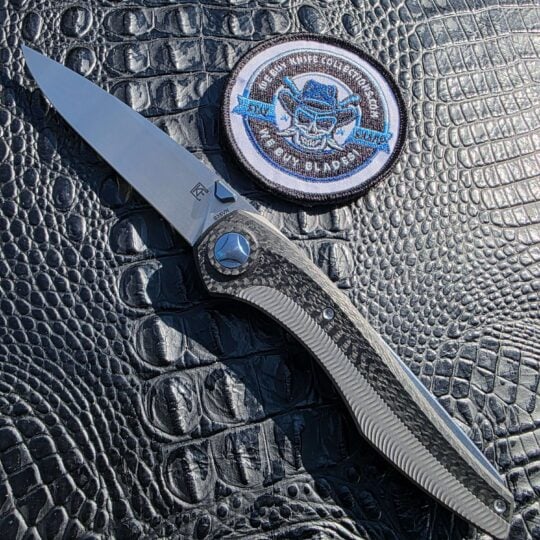
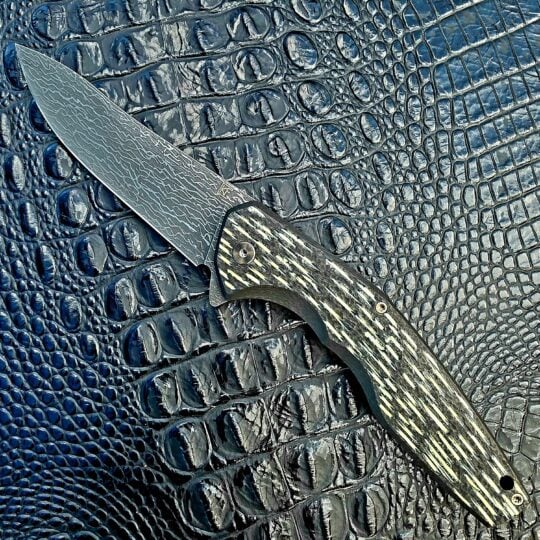


Custom Knife Factory Knives: History, Iconic Models & Designer Collaborations
Custom Knife Factory knives occupy a distinct place in modern collecting. Founded in Russia, CKF pairs designs from prominent custom knifemakers with precision manufacturing, elaborate machining, and limited-release configurations. Its catalog ranges from oversized tactical folders to refined integral designs and highly finished collector editions. For enthusiasts seeking distinctive mechanisms, unusual materials, and identifiable design provenance, CKF has become an important name in premium folding knives.
Custom Knife Factory History: From the Asymmetric to the Sukhoi
Custom Knife Factory developed under founder Mikhail “Mike” Kulygin, whose experience in the knife trade preceded the brand’s early releases. CKF’s own historical chronology dates the Asymmetric Maxi to November 2013 and the Asymmetric Midi to December 2013. These early folders helped establish the company’s interest in substantial proportions, unconventional construction, and close collaboration with knife designers.
The early catalog expanded quickly. Alexey Konygin’s angular Decepticon, also identified as the DCPT series, appeared in 2014. The original Sukhoi followed in November 2014, with the Sukhoi 2.0 arriving in July 2015. Designed by Anton “Tohus” Malyshev, the Sukhoi introduced an aircraft-inspired profile and the brand’s distinctive approach to mechanically sophisticated folders. These releases remain useful reference points for collectors researching the evolution of Custom Knife Factory knives.
Early examples can also be appreciated alongside the broader history of custom knifemakers and influential knife designs. CKF helped translate demanding custom-shop ideas into small-batch production formats without presenting them as individual, sole-authorship handmade knives.
CKF Knife Models and Designer Collaborations
Alexey Konygin helped define CKF’s early visual identity through the Asymmetric and Decepticon families. Their bold geometry, intricate construction, and sharply differentiated handle components were unlike conventional gentleman’s folders. Anton Malyshev brought a different design language to the Sukhoi, Tegral, and Ossom, balancing strong blade silhouettes with expressive machining.
As the catalog grew, CKF worked with designers beyond its original Russian circle. Peter Rassenti collaborations brought attention to the SNAFU and Satori, while Jon Sorensen’s Rotten Design inspired the widely collected Evolution, or Evo, series. Other partnerships include SNECX Tan’s mechanically innovative Terra, Philippe Jourget’s FIF20, and the Sokosha project developed with Anthony Marfione and Anton Malyshev.
Each collaboration has its own specifications, design authorship, and release history. For example, the CKF Rotten Design Evo 3.0E in Damasteel and ZircuTi illustrates how a production collaboration can incorporate premium collector materials. The precise version matters: an Evo, Sukhoi, Asymmetric, SNAFU, or FIF can differ substantially from another generation of the same family.
Materials, Machining, and CKF Manufacturing
Custom Knife Factory knives frequently feature titanium frames, contoured carbon fiber, milled clips, decorative pivots, and intricate backspacers. Depending on the specific model, blades may use CPM-S35VN, CPM-S90V, M390, Damasteel, or other documented steels. ZircuTi, Timascus, and zirconium appear on selected high-end editions rather than across the entire catalog.
Mechanisms are equally varied. CKF has used titanium frame locks, hardened steel lock interfaces, ceramic-bearing pivots, multi-row bearing arrangements, and more experimental construction. The Sukhoi’s two-row bearing system and the Terra’s unusual fastener approach demonstrate how the company has explored mechanical design rather than relying on one standard platform.
CKF has historically used a multi-stage manufacturing model. The company has described obtaining precision-machined components from outside partners, followed by assembly, adjustment, and customization in Russia. Accordingly, country of manufacture and the extent of hand-finishing should be established for each release. The name “Custom Knife Factory” identifies the brand; it does not automatically mean a knife was handmade entirely by its credited designer.
For a closer look at the distinctions among custom, mid-tech, and production knives, the custom knife buying guide provides useful context. Collectors can also explore other premium folding knives by construction, materials, and intended use.
Why Collectors Seek Early CKF and Special Editions
Early Asymmetric, DCPT, and Sukhoi releases appeal to collectors interested in the company’s formative years. Later Rassenti, Rotten Design, and Marfione collaborations attract buyers who follow particular designers or model families. Limited configurations can be especially interesting when a knife retains its original finish, documented materials, and identifiable production details.
However, a low serial number does not establish the total production quantity. Likewise, a customized CKF is not automatically a factory-issued special edition. A nonstandard blade pattern, modified carbon fiber scale, or anodized component may reflect factory work, an authorized collaboration, or later aftermarket customization. Those distinctions affect historical accuracy and collector interest.
Provenance includes more than the presence of a pouch. Original cards, certificates, model markings, factory accessories, documented ownership, and clear photographs all contribute useful evidence. For additional detail, see our knife provenance standards and condition grading approach. Collector value also depends on the actual knife’s condition, originality, demand, and available comparable sales; rarity alone does not guarantee appreciation.
Buy, Sell, and Collect CKF Knives
At We Buy Knife Collections, we evaluate premium CKF releases through the lens of model history, condition, configuration, and documentation. Buyers can browse the preowned knife collection or shop knives by maker. Availability changes as individual pieces enter and leave inventory.
Owners interested in selling an Asymmetric, Sukhoi, SNAFU, Evo, or another notable CKF model can review the folding knives we consider and the options to sell a premium knife or knife collection. Original accessories, accurate model identification, and clear condition information can make a meaningful difference in the evaluation.
Frequently Asked Questions About Custom Knife Factory Knives
What is Custom Knife Factory (CKF)?
Custom Knife Factory is a Russia-founded premium knife brand known for collaborations with custom designers, detailed machining, and limited-release folders. Its knives generally occupy the high-end production or mid-tech segment rather than the sole-authorship custom category.
Who founded Custom Knife Factory?
Mikhail “Mike” Kulygin founded and led CKF. The company developed from his experience in the knife trade and began releasing the models that established its identity in the early 2010s.
What was the first CKF knife?
CKF’s published release chronology identifies the Asymmetric Maxi in November 2013 and Asymmetric Midi in December 2013 as its earliest listed releases. The DCPT-1 and Sukhoi followed in 2014.
Who designed the CKF Sukhoi?
Anton “Tohus” Malyshev designed the Sukhoi. The original version arrived in November 2014, and Sukhoi 2.0 followed in July 2015. Its sweeping profile draws on the visual language of Sukhoi aircraft.
Which Custom Knife Factory models are most recognized?
Collectors frequently encounter the Asymmetric, Decepticon/DCPT, Sukhoi, Tegral, Ossom, SNAFU, Satori, FIF20, Evo, and Sokosha. Each name represents a distinct design or collaboration, often with multiple generations and configurations.
Are CKF knives true handmade customs?
Not by default. Most Custom Knife Factory knives are premium collaborative production or mid-tech pieces. They may incorporate demanding machining and finishing, but a design credit does not establish that the designer personally handmade the knife. A separately documented, maker-reworked example should be described on its own merits.
Where are CKF knives manufactured?
CKF has historically combined overseas precision component manufacturing with European, and in the earlier days, Russian assembly, finishing, and customization. Production arrangements can vary. Some Custom Knife Factory knives are manufactured in China. The origin of an individual release should be based on its documentation, not an assumed single-country label.
Does CKF use Damascus steel?
Some CKF editions use genuine patterned steels such as Damasteel. Others use conventional steels with distinctive surface treatments. A Damascus-like pattern alone does not establish the steel type; blade markings and reliable specifications take precedence.
Are early CKF models collectible?
Early releases can interest brand-focused collectors because they document CKF’s development and designer relationships. Condition, originality, scarcity, accessories, and market demand all matter. No particular model is guaranteed to rise in value.
How can I evaluate a preowned CKF knife?
Identify the exact version, blade steel, frame construction, markings, and finish. Then assess mechanical operation, condition, modifications, and accessories. Our collector confidence and inspection standards explain the principles used when evaluating premium knives.
Where can I buy or sell Custom Knife Factory knives?
Availability depends on current inventory and individual collections. Browse knives currently available for purchase or use the knife collection submission process for purchase or consignment consideration.